1. Introduction: The Changing Reality of Physiotherapy in India
In India’s growing physiotherapy landscape, patient expectations are rising faster than clinics can adapt. According to estimates from the Ministry of Health and ICMR, musculoskeletal disorders and lifestyle-related pain conditions continue to increase each year, creating heavy demand for physiotherapy services. Many clinics in cities like Bangalore, Mumbai, Delhi, and Pune routinely manage large volumes of patients who need personalised rehabilitation programs, long-term follow-ups, and detailed treatment documentation.
Yet most physiotherapy clinics still rely on manual scheduling, paper-based treatment notes, and basic digital tools that do not scale with patient demand. The result is predictable and worrying. Therapists spend more time on paperwork than on patient care. Patient progress is poorly tracked. Missed follow-ups interrupt rehabilitation cycles. Small documentation errors delay insurance processing and compliance reviews.
This is where AI-powered physiotherapy clinic management software is stepping in as a powerful driver of transformation. Platforms such as EasyClinic are not futuristic concepts but practical, accessible tools reshaping how physiotherapy practices operate. They automate repetitive tasks, support personalised care, organise treatment progress, and reduce administrative burden so therapists can do what they do best: help patients recover faster and more effectively.
With artificial intelligence now being applied to progress tracking, appointment optimisation, documentation accuracy, and even posture or gait analysis, physiotherapy in India is entering an entirely new era. In this blog, we explore how AI-powered clinic management software for physiotherapy clinics is becoming the backbone of modern rehabilitation practices across India.
2. The Reality of Physiotherapy Clinics in India
Physiotherapy in India sits at a critical intersection of clinical skill, patient motivation, and long-term data-driven follow-up. Yet most practices remain operationally strained. India’s digital maturity in healthcare is improving quickly due to NDHM, ABHA ID, and widespread EMR adoption, but speciality areas like physiotherapy still face notable operational challenges.
- Digital readiness varies widely across clinics
○ Some operate fully on paper
○ Others use basic spreadsheets
○ Advanced digital tools are rare outside top-tier cities - Patient expectations are evolving rapidly
○ Patients expect digital appointment booking
○ Progress reports delivered on their phone
○ Clear evidence of improvement through metrics or visuals - Operational inefficiencies reduce treatment quality
○ Manual documentation takes time
○ Progress tracking is inconsistent
○ Patient compliance drops when follow-up is not monitored
This gap between rising demand and limited infrastructure is where AI is making the biggest difference. AI in clinic management is not replacing physiotherapists. It is amplifying their capabilities. From automated treatment notes to exercise compliance tracking to posture assessment tools, AI accelerates the physiotherapy workflow in ways that manual systems simply cannot match.
As platforms evolve, EasyClinic integrates many of these capabilities inside a unified digital system that centralises scheduling, EMR, billing, exercise logs, rehabilitation plans, and patient communication. Clinics no longer need multiple tools or disconnected processes. A single AI-powered system can now streamline end-to-end physiotherapy workflows.
For a deeper look at these AI-powered features, you can explore
EasyClinic Features: https://easyclinic.io/features/
3. Everyday Problems Faced by Physiotherapy Clinics in India
India’s physiotherapy clinics face some of the most diverse operational challenges among all medical specialities. Long treatment cycles and the need to track subtle progress mean administrative precision becomes essential. Yet most clinics still struggle with predictable pain points.
- Overbooked appointments and chaotic scheduling
○ Patients often wait fifteen to forty-five minutes
○ Follow-up appointments get mixed up due to manual logs
○ Therapists struggle to balance new assessments with ongoing sessions - Paper-based treatment notes that reduce accuracy
○ Exercise prescription sheets get misplaced
○ Progress data becomes unstructured and difficult to track
○ Future therapists seeing the patient struggle without a clear history - Administrative overload that reduces therapist focus
○ Daily documentation is taking longer than therapy itself
○ Follow-up reminders handled manually
○ Difficulties answering patient queries quickly - Financial and billing errors
○ Manual invoicing or partial digital systems cause inconsistencies
○ Packages or session bundles are not tracked correctly
○ Revenue leaks occur without clear audit trails - Compliance and reporting pressure
○ NABH or NDHM-aligned documentation is difficult with paper files
○ Many physio clinics now need interoperable records
○ Lack of structured EMR slows digital readiness assessments
These issues weaken patient experience and reduce treatment continuity. More problematically, they limit the therapist’s time with each patient, slowing the rehabilitation cycle and increasing dropout rates. This is the precise gap AI-powered physiotherapy clinic management software aims to bridge.
4. How AI Is Quietly Solving These Physiotherapy Challenges
AI does not disrupt physiotherapy. It enhances it. By quietly operating inside the digital workflow, AI systems such as EasyClinic simplify administrative tasks, improve treatment precision, and make clinic operations more predictable.
Here is how the transformation unfolds problem by problem.
AI-Powered Scheduling
- Predicts peak appointment hours
○ Helps clinics allocate therapist resources efficiently
○ Reduces bottlenecks and long waiting room delays - Identifies follow-up patterns
○ Ensures patients return at the correct intervals
○ Flags overdue cases for therapist attention
Smart Physiotherapy EMR Systems
- Auto summarises treatment notes
○ Converts therapist dictation or short notes into structured EMR
○ Reduces documentation time significantly - Flags missing or inconsistent information
○ Ensures complete progress documentation
○ Reduces recall errors during long treatment plans - Centralised patient history
○ Every therapist can view previous notes instantly
○ Long-term rehabilitation progress becomes visible and easy to analyse
Predictive Analytics for Progress Tracking
- Identifies patient improvement trends
○ AI detects subtle improvements or stagnation
○ Helps therapists adjust treatment protocols early - Forecasts session requirements
○ Predicts how many sessions a patient may need
○ Helps clinics plan workload and treatment packages better
AI-Assisted Billing Accuracy
- Flags discrepancies in invoices
○ Detects mismatched session counts
○ Ensures packages or bundles are tracked correctly - Supports automated recurring billing
○ Especially useful for long rehab cycles
○ Reduces manual accounting work
Data Insights Dashboards
- Offers visual overviews of clinic performance
○ Session volumes
○ Therapist utilisation
○ Revenue cycles - Helps clinic owners make faster decisions
○ Identify peak hours
○ Identify therapy types in highest demand
AI is not just automating physiotherapy clinics. It is thinking ahead, predicting needs, and stabilising operational workflows. You can explore these AI-powered capabilities in more detail at:
https://easyclinic.io/features/
5. Real World Use Cases and Examples: Problem → AI Solution → Result
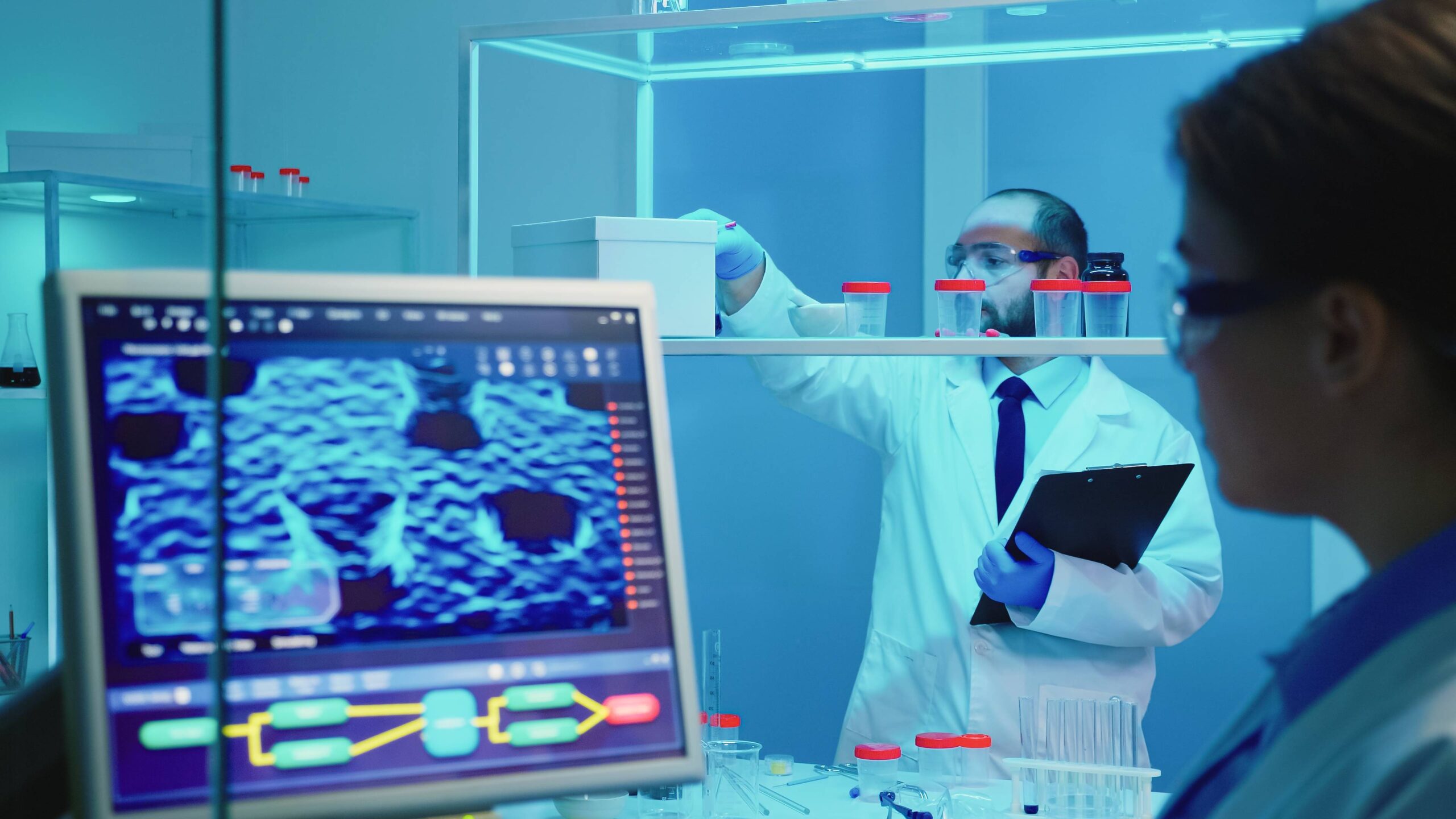
Case 1: Lagos Radiology Clinic Using AI-Enhanced Reporting
A radiology clinic in Lagos faced a growing backlog of reports caused by manual documentation workflows. After adopting AI-assisted reporting:
- The backlog dropped within weeks
● Report accuracy improved significantly
● Patients received results faster
● Doctors made quicker clinical decisions
Although not a physiotherapy clinic, the case demonstrates how AI eliminates documentation bottlenecks and improves speed.
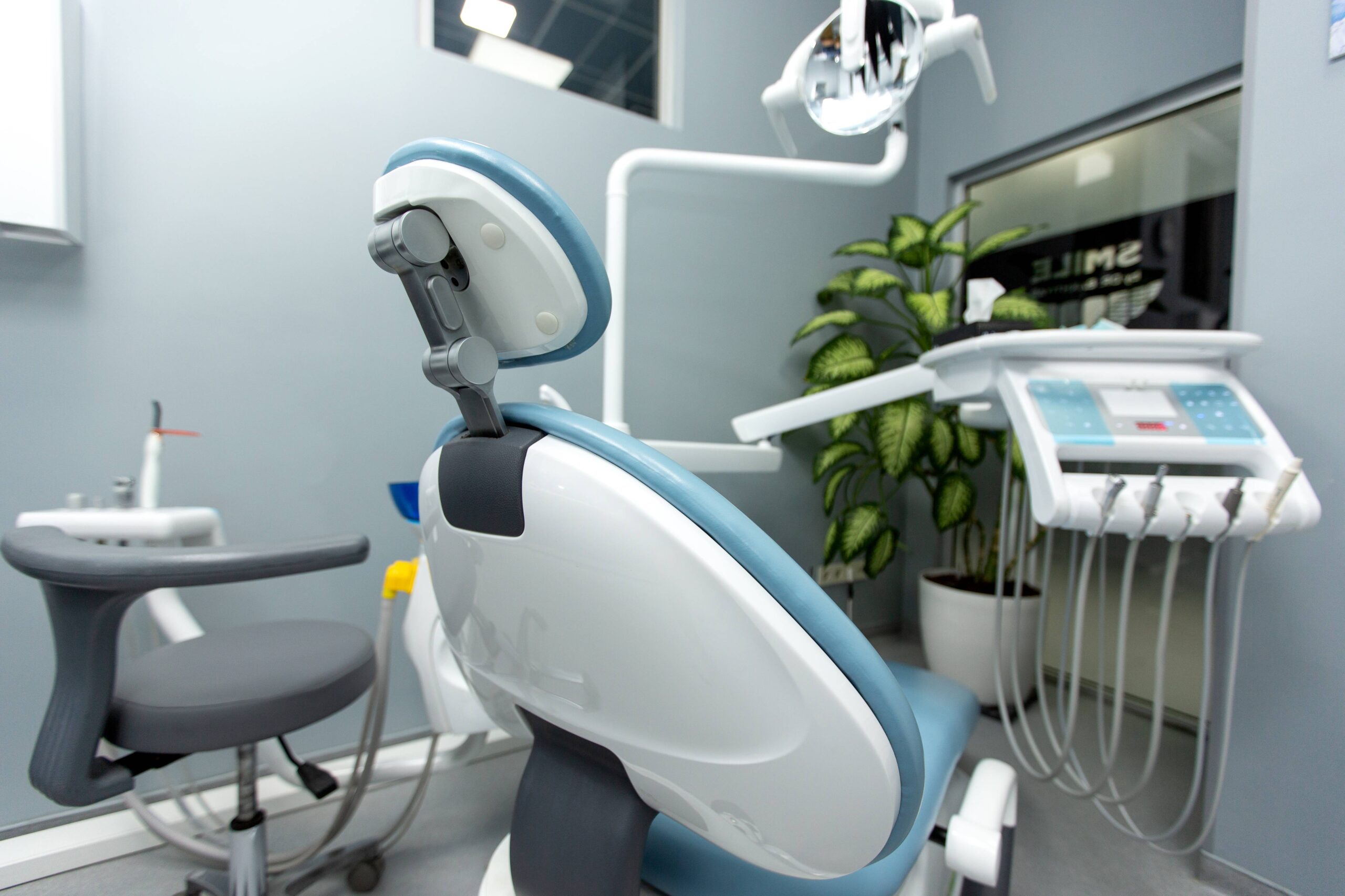
Case 2: Kuala Lumpur Dental Clinic Using AI Scheduling
A busy dental clinic struggled with chaotic scheduling and mismatched follow-ups. AI-assisted scheduling produced dramatic results:
- Higher appointment adherence
● Reduced waiting time
● Balanced staff workload
● Better patient satisfaction
The physiotherapy equivalent is even more impactful since physiotherapy requires multiple follow-ups per patient.
Case 3: Bangalore Multi-Speciality Centre Using Predictive Analytics
A large clinic in Bangalore introduced predictive analytics to monitor patient return cycles. Within months:
- Patient retention increased
● Treatment continuity improved
● Clinic resources were allocated more efficiently
● Staff burnout reduced
These examples show how AI-powered systems like EasyClinic empower physiotherapy clinics to perform smarter, not harder. Whether it is workload balancing or progress analytics, AI supports clinical excellence at every stage.
6. Local Healthcare Context in India
India’s healthcare digitalisation is accelerating rapidly. Several government initiatives directly improve the environment for physiotherapy clinic management software.
- NDHM and ABHA ID framework
○ Enables secure patient record sharing
○ Encourages clinics to adopt structured digital EMR - National Health Stack
○ Designed to streamline digital health services
○ Supports better reporting and monitoring systems - Allied and Healthcare Professionals Act
○ Physiotherapists are now recognised as regulated healthcare professionals
○ Calls for better documentation and structured workflows - NABH standards for outpatient departments
○ Emphasise digital documentation
○ Encourage clinics to maintain interoperable patient records
AI-powered clinic management platforms such as EasyClinic align with these healthcare modernisation goals by offering:
- Secure EMR storage
● ABHA compatible identity mapping
● Easy data export for audits and compliance
● Centralised record keeping for rehabilitation clinics
For cost planning or system evaluation, you can explore EasyClinic pricing at:
https://easyclinic.io/pricing/
7. Broader Impact: How AI Transforms the Physiotherapy Experience
AI-enriched clinic management is not only about automation. It transforms the lived experience of therapists, patients, and clinic administrators.
For Therapists
- More time for hands-on therapy
○ Documentation burdens reduce
○ Communication becomes faster - More accurate clinical decisions
○ Trends and patterns are visible instantly
○ Better treatment adjustment
For Patients
- Shorter waiting time
○ Scheduling is streamlined
○ Peak hour predictions prevent overload - Better engagement with treatment plans
○ Digital exercise logs
○ App-based reminders
○ Visual progress tracking - Higher motivation and compliance
○ Patients see gradual improvement in graphs or metrics
For Clinic Staff
- Less repetitive work
○ Automated reminders
○ Automated billing
○ Automated records sorting - Lower burnout
○ Workload becomes predictable
○ Fewer manual errors
The true impact of AI in physiotherapy is making the entire interaction more humane, not more mechanical. Routine tasks are automated so therapists can focus on patient care.
8. Emerging AI Trends in Physiotherapy across India
India is rapidly adopting advanced digital and AI technologies in physiotherapy, especially in urban centres and sports rehabilitation clinics.
- Computer Vision for Exercise Correction
○ AI analyses posture and movement
○ Identifies incorrect form
○ Suggests corrections to reduce injury risk - Wearable Sensor-Based Rehabilitation
○ Tracks mobility, gait, muscle activity
○ Offers real-time feedback - Predictive Analytics for Recovery
○ Forecasts recovery timelines
○ Flags early signs of delayed healing - AI-Supported Tele-Physiotherapy
○ Remote posture tracking
○ Virtual rehabilitation sessions - Clinical Decision Support Tools
○ Recommend protocols
○ Help standardise treatment based on global frameworks
Clinics in India increasingly experiment with these digital workflows to reduce follow-up drop-offs and improve long-term recovery outcomes.
For more insights into how AI is shaping healthcare, explore:
https://easyclinic.io/ai-healthcare/
9. Practical Considerations for Clinics Exploring AI
Before adopting AI-powered physiotherapy clinic management software, clinics should evaluate their readiness.
- Assess clinic data readiness
○ Are records in digital form
○ Is the documentation structured enough to migrate - Train staff gradually
○ Start with scheduling and EMR
○ Add analytics and treatment modules later - Ensure privacy compliance
○ Align with NDHM guidelines
○ Use ABHA-compatible systems - Choose cloud-based platforms
○ Enhances data security
○ Enables multi-location access
○ Reduces local hardware costs
AI-enabled systems such as EasyClinic are built to adapt to speciality needs. Clinics can start small and expand AI modules over time.
10. Be a Breakthrough Pioneer in AI–Clinic Management Software for Physiotherapy Clinics in India
Be a breakthrough pioneer in AI-powered clinic management software for physiotherapy clinics in India. The AI wave in India’s speciality healthcare sector is already underway. Clinics that adopt AI-supported systems now are positioning themselves for future leadership in rehabilitation excellence.
Talk to EasyClinic to explore how AI-supported physiotherapy clinic management can transform your clinic’s efficiency, treatment accuracy, and patient outcomes.
https://easyclinic.io/
11. Frequently Asked Questions (FAQ)
- What is physiotherapy clinic management software
○ A digital platform that manages appointments, EMR, billing, progress tracking, and patient communication for physiotherapy clinics. - How does AI help physiotherapy clinics in India
○ AI streamlines scheduling, automates documentation, predicts treatment needs, and improves progress tracking. - Is AI reliable for physiotherapy assessments
○ AI supports but does not replace therapists. It enhances consistency, detects patterns, and reduces manual errors. - What benefits does AI bring to rehabilitation
○ Faster documentation, better compliance tracking, personalised exercise plans, and data-driven recovery timelines. - Is physiotherapy EMR required for compliance
○ NDHM and national digital health frameworks encourage structured digital records for speciality clinics. - Can AI help with posture analysis
○ Yes. Many systems use computer vision to assess posture, gait, movement, and exercise form. - Does EasyClinic support multi-therapist or multi-branch clinics
○ Yes. It centralises workflows, patient records, and analytics for multi-location practices. - How expensive is AI-powered clinic software
○ Pricing depends on features and clinic size. EasyClinic offers flexible plans here:
https://easyclinic.io/pricing/ - Can AI reduce the administrative burden
○ Yes. AI automates repetitive tasks so therapists can focus on patient care.
12. Conclusion
AI-powered physiotherapy clinic management software is reshaping rehabilitation care across India. By stabilising operational workflows, improving documentation accuracy, and using predictive insights for smarter treatment planning, AI is helping physiotherapy clinics solve challenges once considered inevitable.
The transformation is not about replacing therapists. It is about giving them the time and clarity to do meaningful clinical work. AI assists with scheduling, data organisation, exercise compliance, posture analysis, and long-term progress evaluation.
India’s physiotherapy ecosystem is maturing fast. With digital health frameworks like NDHM and ABHA ID accelerating national adoption, the future will belong to clinics that embrace AI-powered tools early.
To explore these capabilities further:
● EasyClinic Homepage: https://easyclinic.io/
● EasyClinic Features: https://easyclinic.io/features/
● EasyClinic Pricing: https://easyclinic.io/pricing/
● Contact: https://easyclinic.io/contact/
The smarter future of physiotherapy is already here. Indian clinics now have the opportunity to lead in rehabilitation excellence by harnessing AI-powered digital systems.